5 Signs You Have Hidden Mold in Your Walls

Mold does not always grow where you can see it. It often develops inside wall cavities, beneath flooring, above ceilings, or behind cabinets where moisture remains trapped.
By the time discoloration appears on the drywall, the affected area behind the surface may already be larger than expected. Recognizing the early warning signs can help you identify a moisture problem before it causes more extensive damage.
Here are five common signs that mold may be growing inside your walls.
1. Persistent Musty Odors
A lasting earthy, damp, or musty smell is one of the most common signs of hidden mold or moisture.
The odor may resemble:
- Wet cardboard
- Damp clothing
- An old basement
- Rotting wood
- Wet soil
Mold and bacteria can release microbial volatile organic compounds, sometimes called MVOCs, as they grow. These compounds may contribute to the familiar musty odor associated with damp buildings.
Pay attention when the smell:
- Remains after cleaning
- Gets stronger during humid weather
- Is concentrated in one room
- Appears after rainfall
- Comes from an outlet, baseboard, or air vent
- Returns after being temporarily covered by air fresheners
A musty smell does not confirm mold by itself, but it is a strong reason to investigate for leaks, condensation, or damp building materials.
2. Symptoms That Worsen Indoors
Sneezing, coughing, congestion, watery eyes, or throat irritation can have many possible causes, including pollen, dust, pets, and other indoor air-quality concerns.
However, a hidden moisture or mold problem may be worth investigating when symptoms:
- Begin after entering the home
- Improve when you leave
- Are worse in one specific room
- Increase when the HVAC system is running
- Started after a leak or water-damage event
These symptoms do not prove that mold is present. Anyone experiencing persistent or serious health concerns should speak with a qualified medical professional.
A home inspection can help determine whether moisture, visible growth, or damaged materials may be affecting the indoor environment.
3. Peeling Paint or Wallpaper
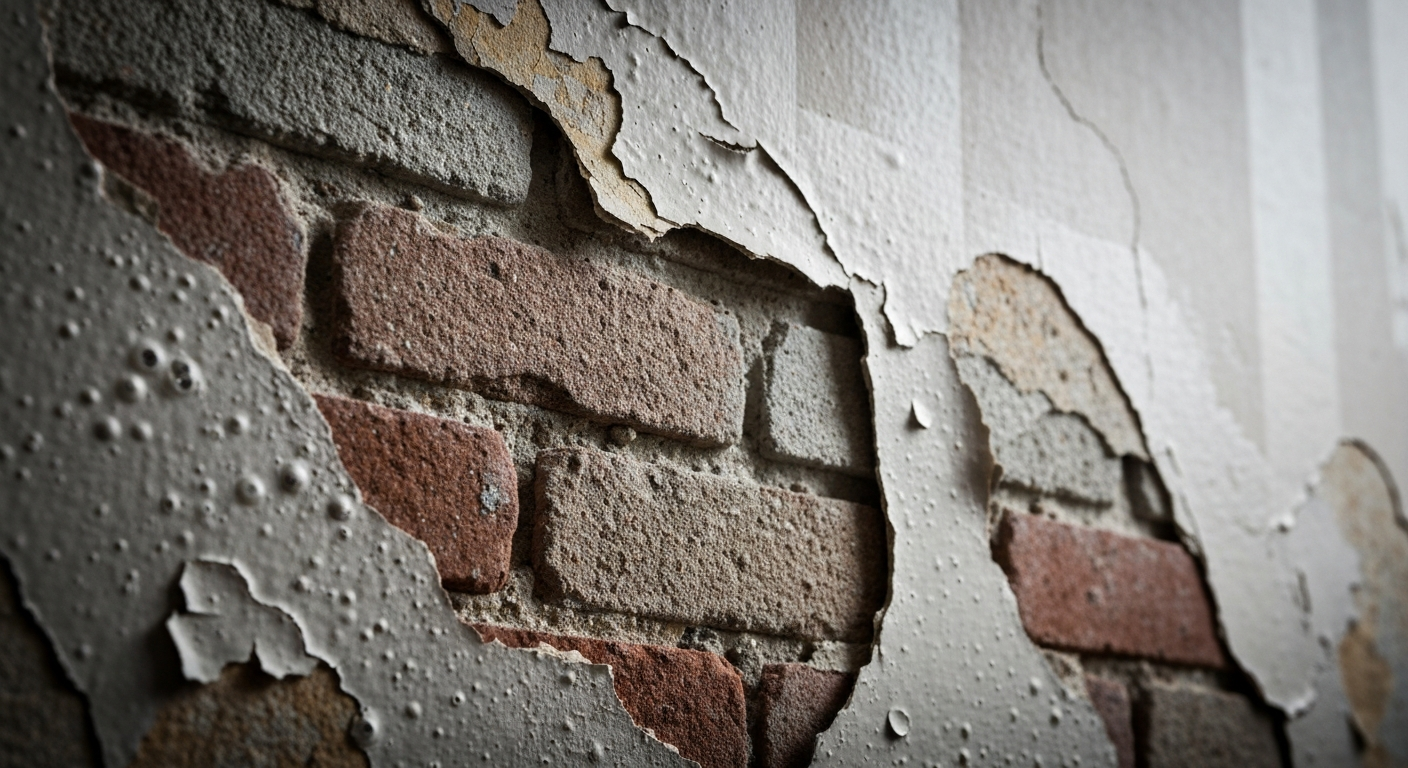
Moisture trapped behind drywall can cause paint and wall coverings to lose adhesion.
You may notice:
- Bubbling paint
- Peeling finishes
- Hairline cracks
- Soft or swollen drywall
- Wallpaper separating at the seams
- Stains that return after repainting
These warning signs commonly appear near bathrooms, kitchens, laundry rooms, windows, rooflines, and plumbing fixtures.
Peeling paint does not automatically mean mold is growing behind the wall. However, it often indicates an underlying moisture problem that should be corrected before the surface is repaired.
Painting over the damaged area may temporarily improve its appearance, but it will not stop an active leak or dry materials inside the wall.
4. Dark Spots Near Baseboards
Small black, green, gray, brown, or white spots near the bottom of a wall may indicate moisture or possible mold growth.
Inspect baseboards, caulking, and trim near:
- Bathtubs and showers
- Toilets
- Sinks
- Dishwashers
- Washing machines
- Water heaters
- Exterior walls
- Windows and doors
Damage near the base of a wall may result from leaking pipes, failed caulking, condensation, flooring moisture, or water entering from outside.
Not every dark mark is mold. Dirt, dust, insect residue, and old stains can look similar. Spots that return after cleaning, spread over time, or appear alongside swelling and odors should be evaluated.
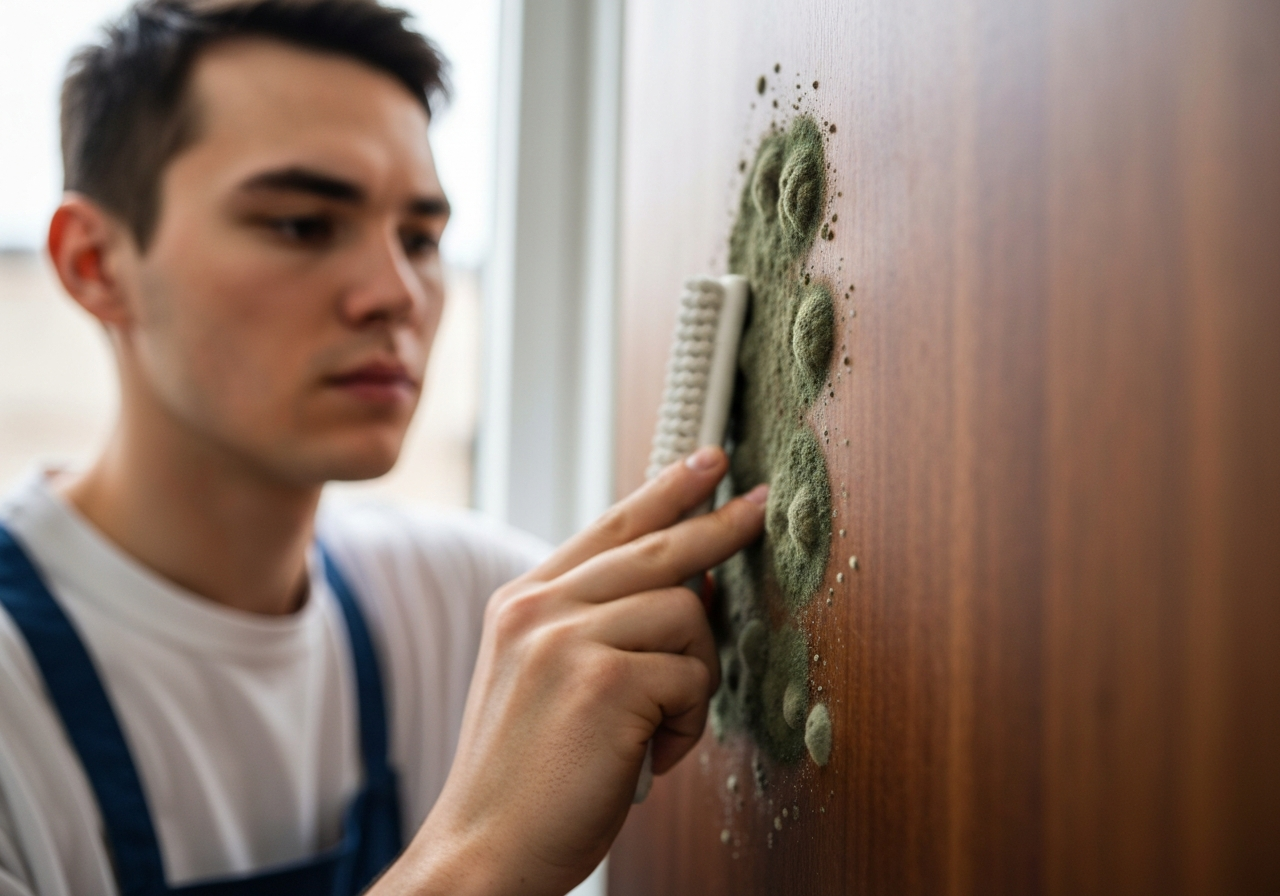
Avoid sanding, scraping, or brushing a large area of suspected mold because disturbing the material may spread dust and spores.
5. Previous Water Damage
A history of water damage is one of the strongest reasons to suspect hidden mold inside walls.
Possible causes include:
- Roof leaks
- Burst or leaking pipes
- Overflowing tubs, sinks, or toilets
- Water-heater failures
- Appliance leaks
- Storm damage
- Window leaks
- Foundation seepage
- Air-conditioning drain problems
Even when the visible surface appears dry, moisture may remain inside drywall, insulation, framing, or flooring.
The risk is greater when the area was not opened, inspected, and dried thoroughly after the incident. Mold may begin growing on damp materials before stains or odors become noticeable.
Watch for new symptoms months after a leak, including musty smells, soft drywall, discoloration, warped trim, or recurring paint damage.
Other Signs of Moisture Behind Walls
Hidden mold is usually connected to an unresolved moisture problem. Additional warning signs may include:
- Water stains on ceilings or walls
- Soft or crumbling drywall
- Swollen baseboards
- Warped flooring
- Rust around pipes or fasteners
- Condensation near vents
- Dripping sounds when fixtures are off
- Unexplained increases in water use
- Damp areas that feel colder than surrounding surfaces
One sign may have an unrelated cause. Several warning signs appearing in the same area make a hidden leak or moisture problem more likely.
Common Places Mold Hides Inside Walls
Some areas of the home are more vulnerable because they contain plumbing, experience high humidity, or are exposed to outside water.
Common problem areas include:
- Behind shower and bathtub walls
- Beneath bathroom vanities
- Behind kitchen cabinets
- Around plumbing supply lines
- Near washing-machine connections
- Below roof leaks
- Around windows and exterior doors
- Behind walls next to crawl spaces
- Near HVAC equipment and drain lines
Recently renovated walls can also conceal older water damage if the original moisture source was never corrected.
How Professionals Find Hidden Mold
A professional inspection usually focuses on identifying the source and extent of moisture.
Depending on the property, an inspector may use:
- Moisture meters
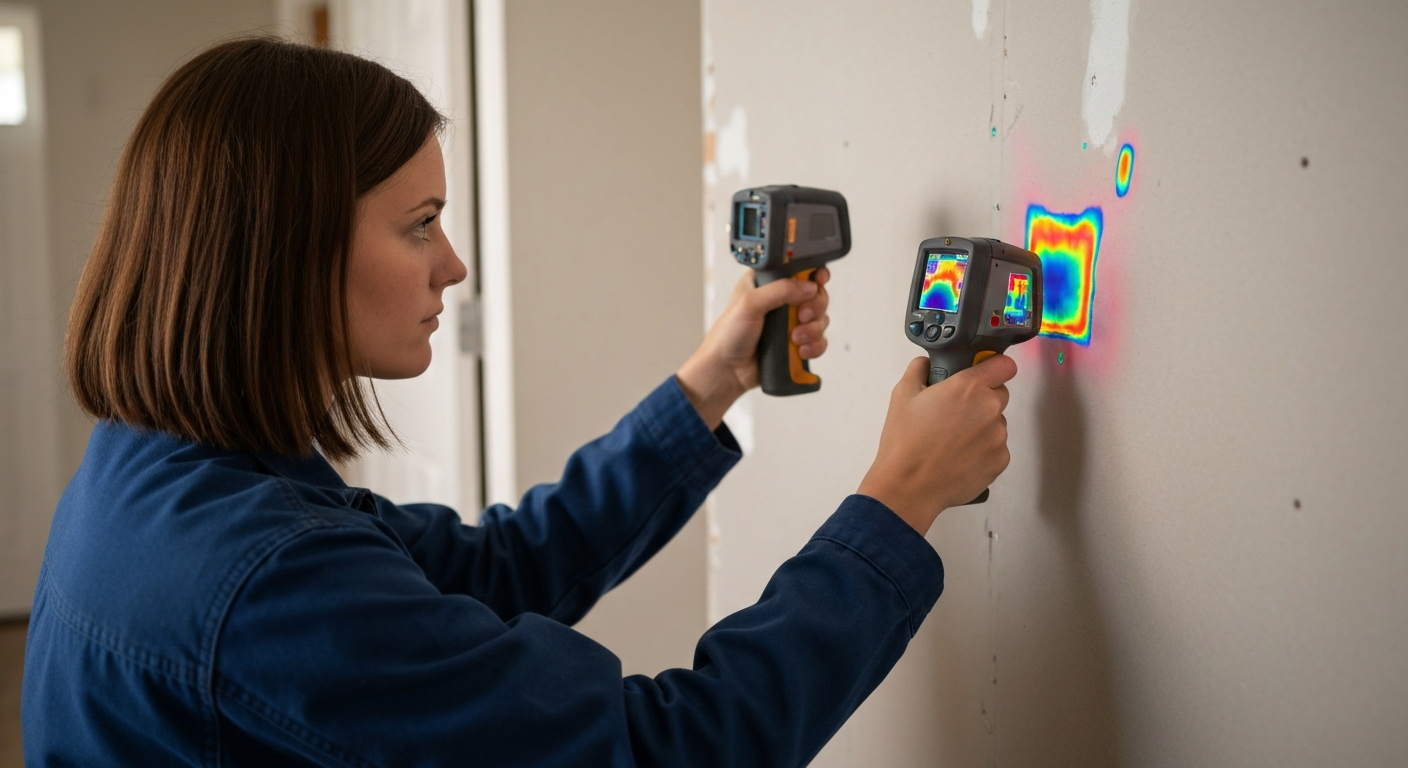
- Thermal-imaging cameras
- Humidity readings
- Visual inspection
- Plumbing leak testing
- Small, targeted inspection openings
- Air or surface sampling when appropriate
Thermal imaging may help identify temperature differences associated with moisture, while moisture meters can determine whether specific materials are damp.
These tools support an inspection, but they do not replace the need to locate and repair the water source.
What to Do If You Suspect Mold Behind a Wall
Do not immediately cut into drywall or remove trim without understanding the extent of the problem. Opening a contaminated wall can release dust and spores into other areas of the home.
Take these steps:
- Look for active leaks or visible moisture.
- Turn off the water source when it is safe.
- Avoid directing fans at suspected mold.
- Keep children and pets away from the area.
- Photograph visible stains or damage.
- Contact a qualified mold-remediation or water-restoration professional.
- Seek medical guidance for ongoing health concerns.
Water near electrical wiring, outlets, or fixtures should be treated as a safety concern. Avoid the area and contact the appropriate professional.
Why Quick Action Matters
Hidden moisture can spread through drywall, insulation, wood framing, cabinets, and flooring.
Acting early may help:
- Limit the affected area
- Reduce the amount of material removed
- Prevent additional staining or warping
- Protect structural components
- Reduce recurring odors
- Lower restoration costs
Cleaning the visible surface is not enough when water remains trapped inside the wall. The source must be repaired, damaged materials evaluated, and the area dried before cosmetic repairs begin.
Protect Your Home from Hidden Mold
Persistent musty odors, indoor symptoms, peeling finishes, dark spots, and previous water damage can all indicate mold or moisture inside your walls.
These signs do not confirm the problem on their own, but they should not be ignored. A professional inspection can locate hidden moisture, determine how far the damage extends, and recommend the appropriate next steps.
Finding the problem early can help protect your property and prevent a small leak from becoming a much larger restoration project.
Need a Professional Assessment?
Don't let crawl space moisture or hidden mold compromise your home. Contact Valdosta Georgia Mold Response today for a thorough inspection and honest advice.