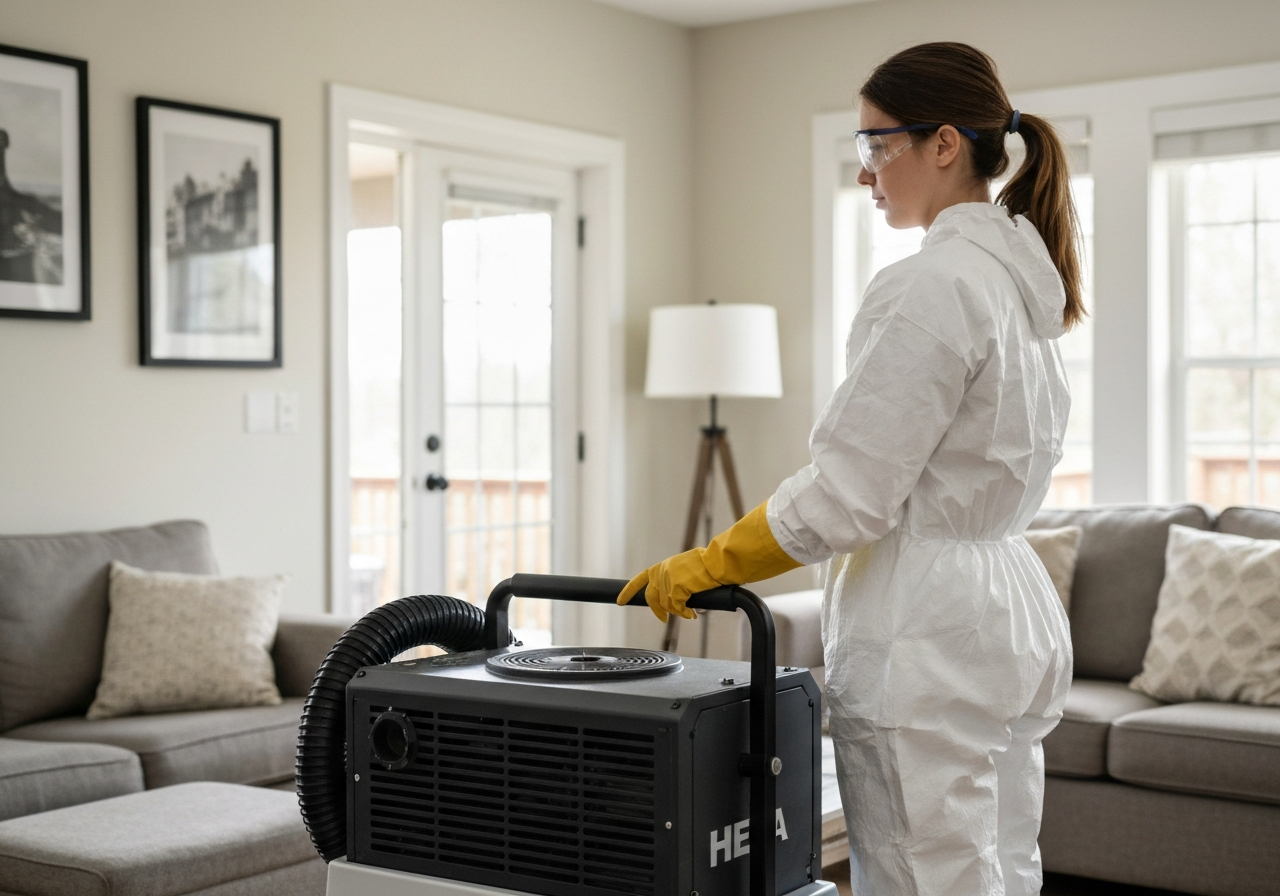
Preventing Mold During Valdosta Humid Georgia Summers
Hot, humid summers are a fact of life in Georgia. Unfortunately, that moisture can create serious problems beneath your home.
When warm outdoor air enters a cooler crawl space, moisture can collect on floor joists, plumbing lines, ductwork, insulation, and other surfaces. Over time, these damp conditions may encourage mold growth, wood deterioration, unpleasant odors, and damage to the floors above.
Understanding why crawl space moisture develops—and addressing it early—can help protect your home throughout the humid summer months.
Why Georgia Crawl Spaces Are Vulnerable to Mold
Mold requires moisture, a suitable temperature, and an organic material on which to grow. A crawl space can provide all three.
Wood framing, paper-backed insulation, dust, and other building materials may support mold growth when they remain damp. In Valdosta and throughout South Georgia, high summer humidity can make it difficult for moisture to evaporate naturally.
Common sources of crawl space moisture include:
- Humid outdoor air entering through foundation vents
- Rainwater collecting near the foundation
- Plumbing or drain-line leaks
- Ground moisture rising through exposed soil
- Condensation on cool ductwork or pipes
- Poor grading around the home
- Clogged gutters or short downspouts
- Damaged or incomplete vapor barriers
Several moisture sources may be present at the same time, so correcting only one visible problem may not completely resolve the issue.
How Humid Air Creates Condensation
During a Georgia summer, outdoor air can hold a significant amount of moisture. When that warm air enters a crawl space and comes into contact with cooler surfaces, condensation may form.
This is similar to the moisture that appears on the outside of a cold glass.
In a crawl space, condensation may collect on:
- Floor joists
- Subflooring
- Air-conditioning ducts
- Water pipes
- Metal fasteners
- Fiberglass insulation
If these materials remain damp, the crawl space may develop mold, odors, rust, damaged insulation, or wood decay.
Signs of Crawl Space Moisture
You do not have to enter the crawl space to notice that something may be wrong. Moisture problems below the home can produce warning signs inside the living area.
Musty Odors
A persistent musty smell may indicate damp materials or mold beneath the home. The odor may be strongest near floor vents, closets, utility areas, or rooms directly above the crawl space.
Because air can move from the crawl space into the home, odors from below may affect indoor comfort.
Cupping or Buckling Floors
Hardwood flooring may begin to cup, crown, warp, or separate when moisture levels beneath the floor become too high.
Flooring problems may also be caused by plumbing leaks or indoor humidity, so the source should be professionally evaluated before repairs begin.
Damp or Falling Insulation
Fiberglass insulation may absorb moisture, sag, or fall away from the subfloor. Wet insulation becomes less effective and may conceal mold or wood damage.
Simply reinstalling damaged insulation will not solve the problem unless the moisture source is corrected first.
Condensation on Ductwork or Pipes
Sweating ducts and pipes may indicate that humid air is reaching cold surfaces. Occasional condensation may not mean severe damage, but persistent moisture should be investigated.
Visible Mold or Discoloration
Dark, white, green, or irregular patches on wood and insulation may indicate mold growth. However, not every stain is mold, and significant growth should not be disturbed without appropriate precautions.
Insect Activity
Termites, wood-boring insects, and other pests are often attracted to damp or deteriorating wood. Increased pest activity may be another sign that moisture is present beneath the home.
1. Control Water Around the Foundation
Crawl space moisture prevention begins outside the home.
Rainwater should flow away from the foundation rather than collecting near crawl space walls or entry points. Check the soil around the home to make sure it slopes away from the structure.
You should also:
- Keep gutters clear of leaves and debris
- Repair leaking gutter seams
- Confirm that downspouts are connected
- Extend downspouts away from the foundation
- Correct low areas where water collects
- Check for erosion after heavy rain
- Keep landscaping from blocking drainage paths
When practical, downspouts should discharge water several feet from the foundation. Extensions of approximately 6 feet may be helpful where site conditions allow, but the appropriate distance depends on the property’s grading and drainage.
If water regularly enters the crawl space after rain, additional drainage improvements may be necessary.
2. Inspect the Ground Vapor Barrier
A ground vapor barrier helps reduce the amount of moisture that rises from the soil into the crawl space.
The barrier is typically made from durable polyethylene material installed across the crawl space floor. For effective coverage, it should extend across the exposed soil, overlap at the seams, and fit around piers or other obstructions.
During an inspection, look for:
- Torn or missing sections
- Large areas of exposed soil
- Seams that have separated
- Water collecting on top of the barrier
- Material that has shifted
- Holes caused by service work or pests
A thin or poorly installed barrier may provide limited protection. More durable materials may be appropriate in crawl spaces that require frequent access.
A ground cover can reduce soil moisture, but it will not correct plumbing leaks, drainage problems, or humid air entering through vents.
3. Repair Plumbing and Drainage Leaks
Even a small plumbing leak can keep crawl space materials damp.
Inspect accessible areas around:
- Supply pipes
- Drain lines
- Bathtubs and showers
- Toilets
- Water heaters
- Washing machines
- Kitchen plumbing
- Heating and cooling equipment
Stains, dripping water, wet soil, corroded fittings, or damp insulation may indicate an active or previous leak.
The leak should be repaired before mold cleanup, insulation replacement, or structural repairs begin.
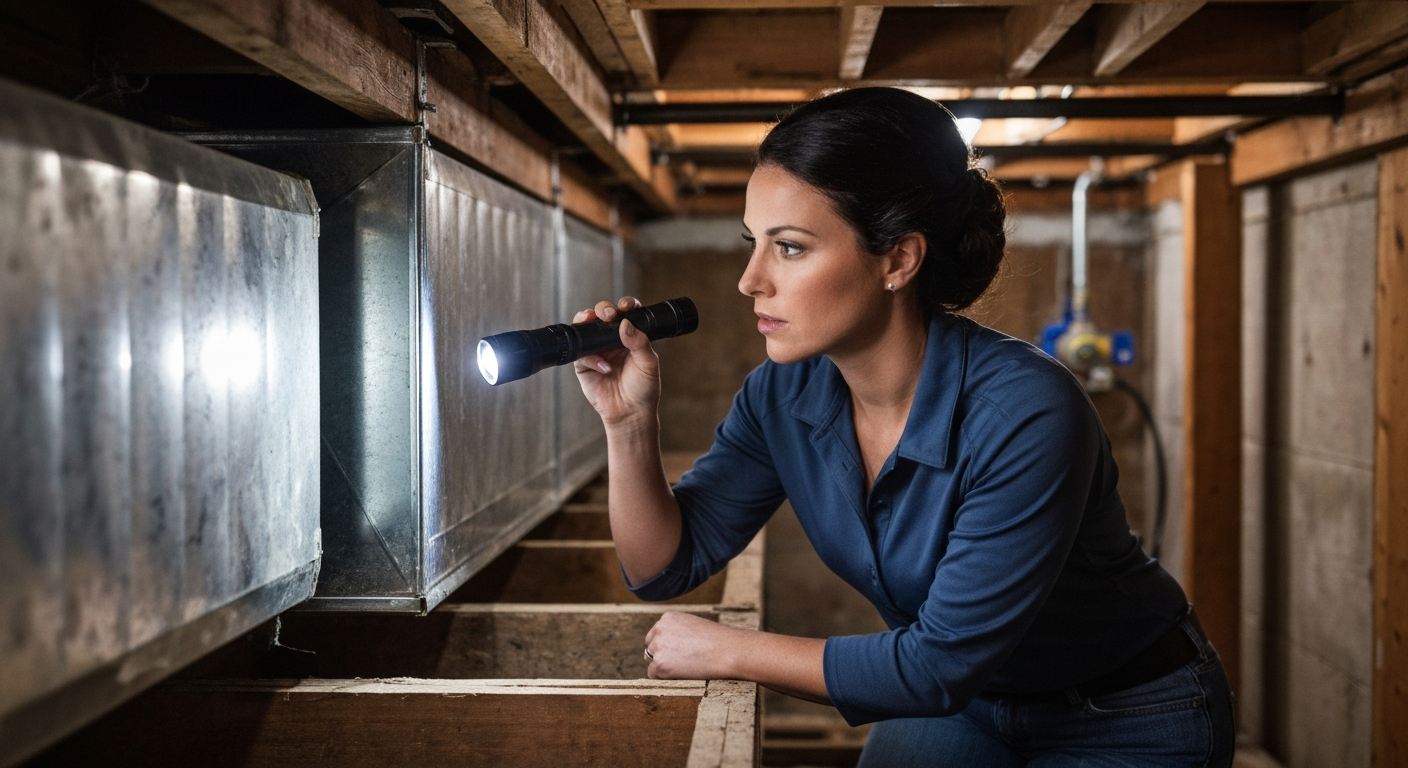
4. Address Ductwork Condensation
Air-conditioning ducts may become cold enough for condensation to form when humid crawl space air reaches them.
Damaged or missing duct insulation can make the problem worse. Leaking ducts may also affect temperature and humidity levels beneath the home.
A heating and cooling professional can inspect the system for:
- Damaged duct insulation
- Air leaks
- Loose connections
- Condensation around equipment
- Blocked drain lines
- Improperly sized components
Repairing the duct system may improve comfort and energy efficiency while helping reduce crawl space moisture.
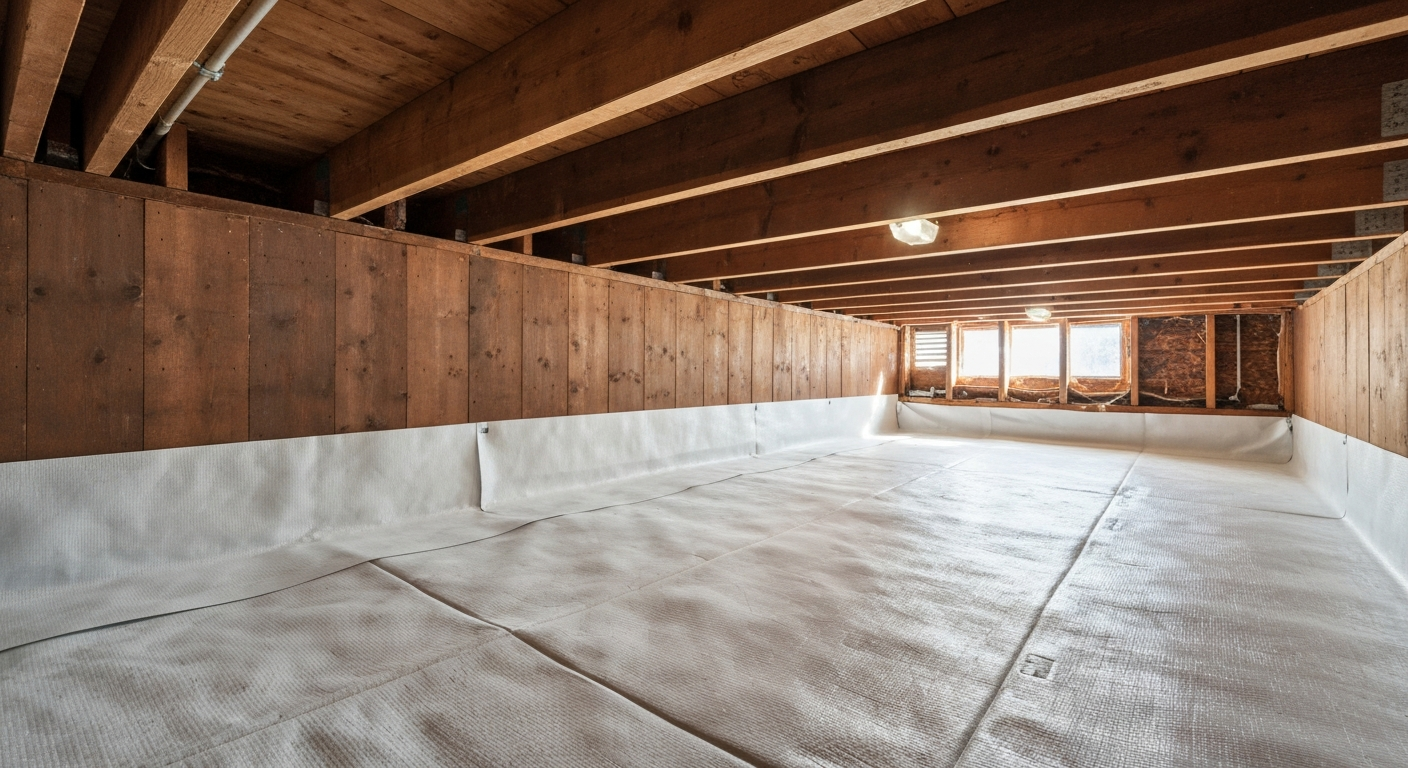
5. Consider Crawl Space Encapsulation
For homes with persistent humidity or moisture problems, crawl space encapsulation may provide a more complete solution.
Encapsulation generally involves sealing the crawl space from outdoor air and ground moisture. Depending on the property, the process may include:
- Closing and sealing foundation vents
- Installing a heavy-duty ground liner
- Extending the liner up foundation walls or piers
- Sealing air leaks and penetrations
- Insulating designated surfaces
- Installing drainage when needed
- Adding a crawl space dehumidifier
- Monitoring humidity levels
Encapsulation is not simply a matter of laying plastic on the soil. Drainage problems, plumbing leaks, standing water, pest concerns, and damaged materials should be addressed before the space is sealed.
A poorly planned system may trap existing moisture rather than solve the underlying problem.
6. Use Dehumidification When Necessary
A crawl space dehumidifier can help maintain more stable moisture levels after water intrusion and air leaks have been addressed.
Equipment should be sized for the space and installed so collected water drains safely away. The unit will also need regular maintenance, including filter cleaning and drain inspections.
A dehumidifier should support a broader moisture-control plan rather than compensate for active leaks or standing water.
7. Inspect the Crawl Space Regularly
Many crawl space problems become expensive because they remain unnoticed.
Schedule inspections periodically and after:
- Heavy rain
- Tropical storms
- Plumbing failures
- Foundation work
- Heating and cooling repairs
- Long periods of extreme humidity
Look for changes in odor, insulation, wood color, standing water, pest activity, and vapor-barrier condition.
Professional inspections may include moisture readings and a closer evaluation of areas that are difficult or unsafe to access.
What to Do If Mold Is Already Present
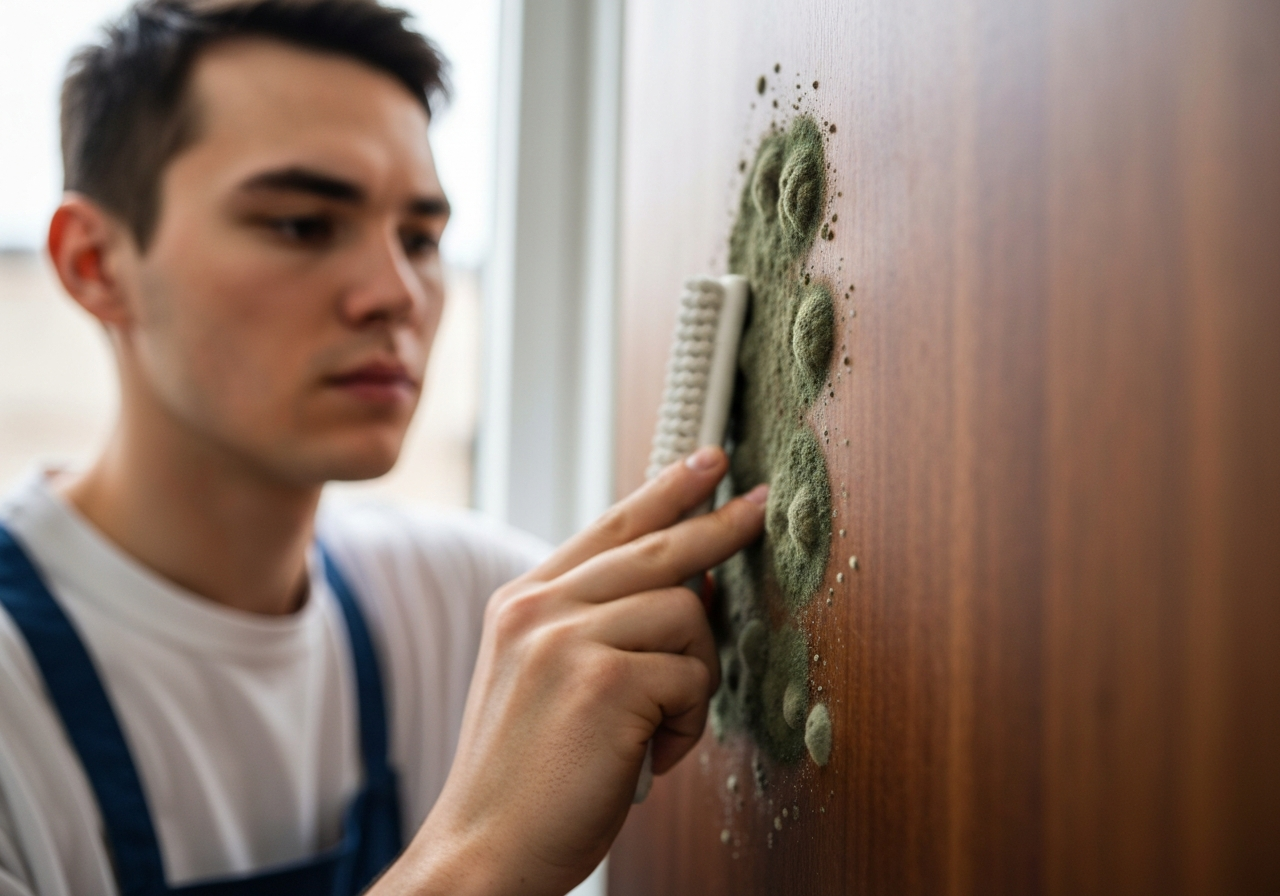
Avoid disturbing a large area of suspected mold. Brushing, scraping, or directing a fan toward contaminated material may spread spores and debris into other parts of the crawl space or home.
A professional inspection can help determine:
- Where the moisture is coming from
- How far the affected area extends
- Which materials can be cleaned
- Whether insulation or wood products require removal
- What drying or dehumidification is needed
- How future moisture can be controlled
Cleaning visible mold without fixing the underlying moisture problem may allow it to return.
Why Early Action Matters
Crawl space moisture can affect more than the area beneath your home. Over time, it may contribute to:
- Damaged insulation
- Warped or buckled flooring
- Wood deterioration
- Persistent odors
- Pest activity
- Reduced indoor comfort
- More extensive repair needs
Early intervention can limit the affected area and make the moisture problem easier to correct.
Protect Your Crawl Space During Georgia’s Humid Season
Preventing crawl space mold in Georgia starts with controlling moisture.
Keep rainwater away from the foundation, repair leaks promptly, maintain an effective ground vapor barrier, inspect ductwork, and monitor the space for warning signs. Homes with ongoing humidity problems may benefit from professional encapsulation and dehumidification.
Musty odors, damaged insulation, condensation, and changing floor conditions should not be ignored. A professional crawl space or mold inspection can identify hidden moisture and help you choose a solution appropriate for your home.
Need a Professional Assessment?
Don't let crawl space moisture or hidden mold compromise your home. Contact Valdosta Georgia Mold Response today for a thorough inspection and honest advice.